

Button for Snippets of Life description beliw
Introducing Snippets of Life
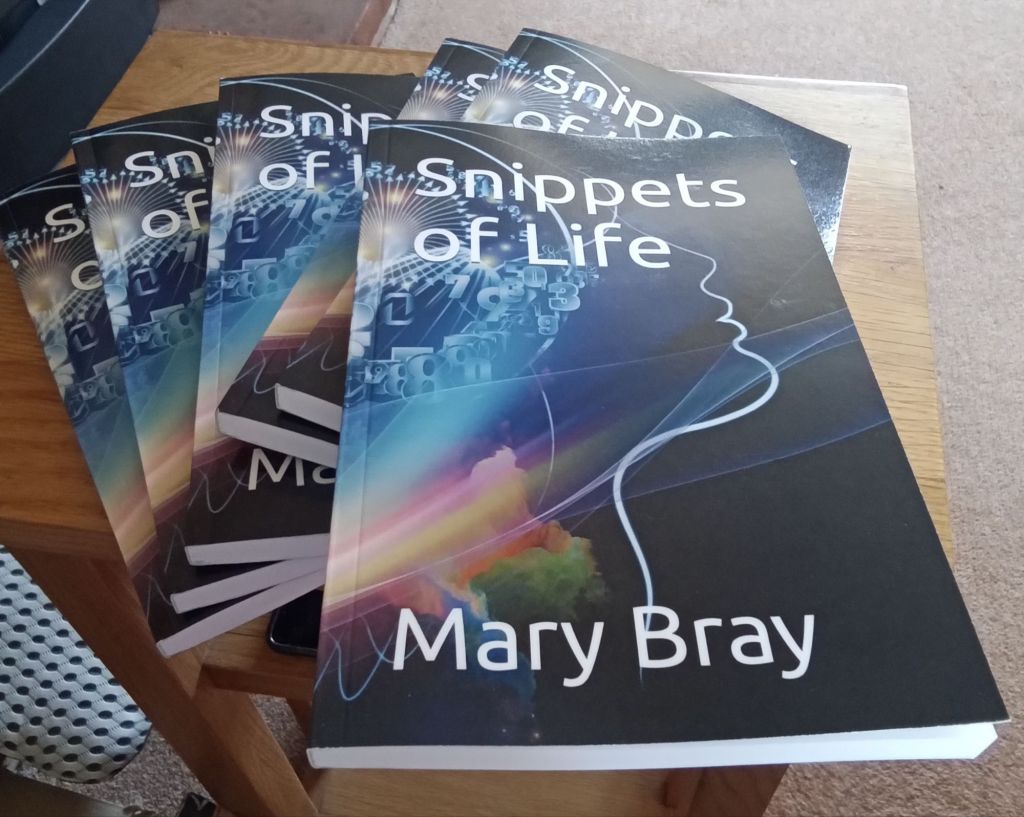
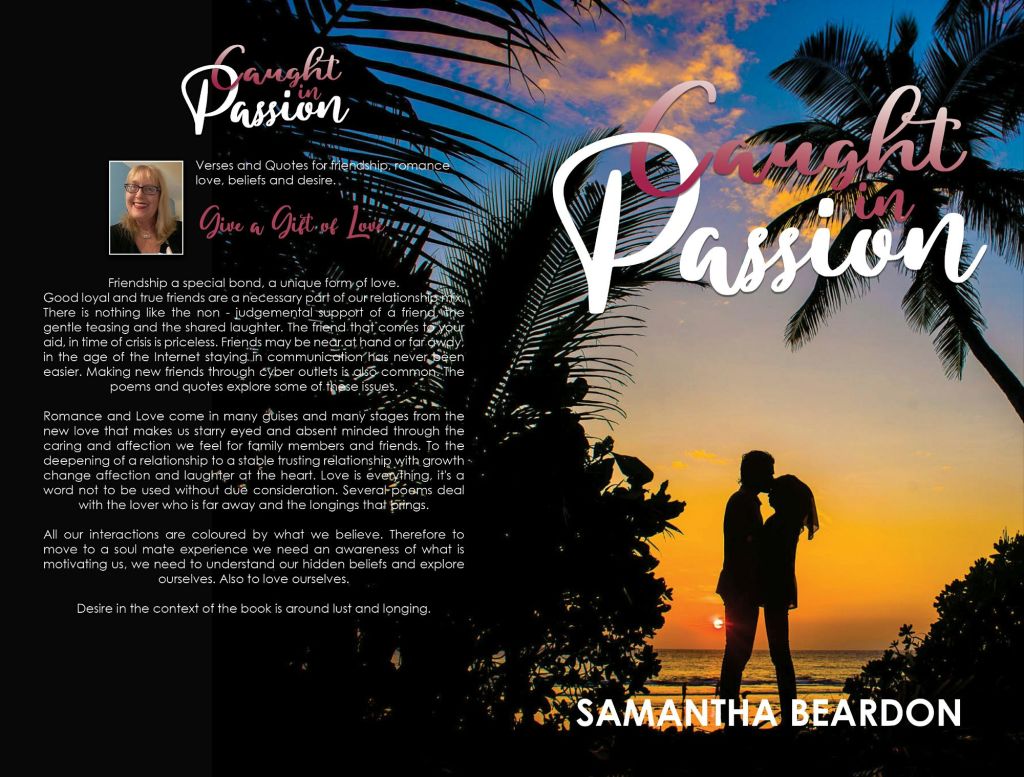
Some books arrive at the right moment in a life. Snippets of Life is one of those books for me. Three years ago it felt like the right time to gather the poems, reflections, and creative experiments that have accompanied me through the last years — and to publish them under my own name, Mary Bray, rather than my long‑used pseudonym, Samantha Beardon.
This collection is exactly what its title suggests: fragments, flashes, moments, and meditations drawn from a lifetime of looking closely at the world. Poetry has always been, for me, a language of noticing the rhythm of a line, the colour inside an image, the way emotion settles into sound. As Bobbi Katz wrote, a good poem is “like a vitamin… packed with energy.” I’ve always felt that truth. Poetry nourishes.
Snippets of Life gathers poems across many forms and moods: lyrical pieces, ekphrastic responses to art, nature poems, micro‑poems, classical forms like villanelles and pantoums, and a handful of nursing‑infused pieces that honour the forty years I spent in the profession.
I’ve also been delighted to include work by a young Nigerian poet, Oluwakayode Taiwo, whose voice brings a fresh and vibrant dimension to the collection.What ties these pieces together is curiosity — about art, about humanity, about memory, about the shifting seasons of a life. Poetry comes in many shapes and sizes, and I’ve always loved that freedom: the tight music of a sonnet, the loose breath of free verse, the playful brevity of haiku, the emotional resonance of ekphrasis. This book celebrates that variety.
My hope is simple: that somewhere in these pages you find a poem that speaks to you, surprises you, comforts you, or makes you pause. Poetry is a shared language, and every reader brings their own life to the page. If these poems offer you a moment of recognition or pleasure, then this birthday collection has done exactly what I hoped it would.
r
Introducing Making Words Sing
Every poet begins somewhere — with a spark, a question, a feeling, a line that won’t leave them alone. But turning that spark into something that resonates on the page takes more than inspiration. It takes attention, technique, curiosity, and a willingness to listen to the music inside language.
Making Words Sing: Exploring the Sounds, Silences and Sensations of Poetry grew out of decades of teaching, writing, reading, and watching poets discover their own voices. It’s a book for anyone who wants to deepen their craft — whether you’re just beginning or you’ve been shaping poems for years.Poetry is an art form as broad and varied as painting or music.
What moves one reader may leave another untouched, but there are tools that help us create work that lingers: rhythm, imagery, metaphor, structure, sound. In this book, I explore those tools one by one — not as rules, but as possibilities. Ways of thinking. Ways of hearing. Ways of sharpening the emotional and sensory impact of your writing.You’ll find examples, exercises, reflections, and practical guidance designed to help you think like a poet. To notice the weight of a verb. The colour inside an image. The silence between two lines. The pulse of a stanza. The way a poem can shift a reader’s breath.
My hope is simple: that this book helps you unlock something — a new technique, a new confidence, a new way of seeing. That it encourages you to experiment, to play, to trust your instincts, and to let your words sing in your own unmistakable voice.
Introducing Making Words Sing
Coming Soon.
Four Arcs of Belonging
and
The Mirror I Stepped Through
Poetry based on Psychology and the Self.
 Converging Lives. Sounds, Silence and Imagery